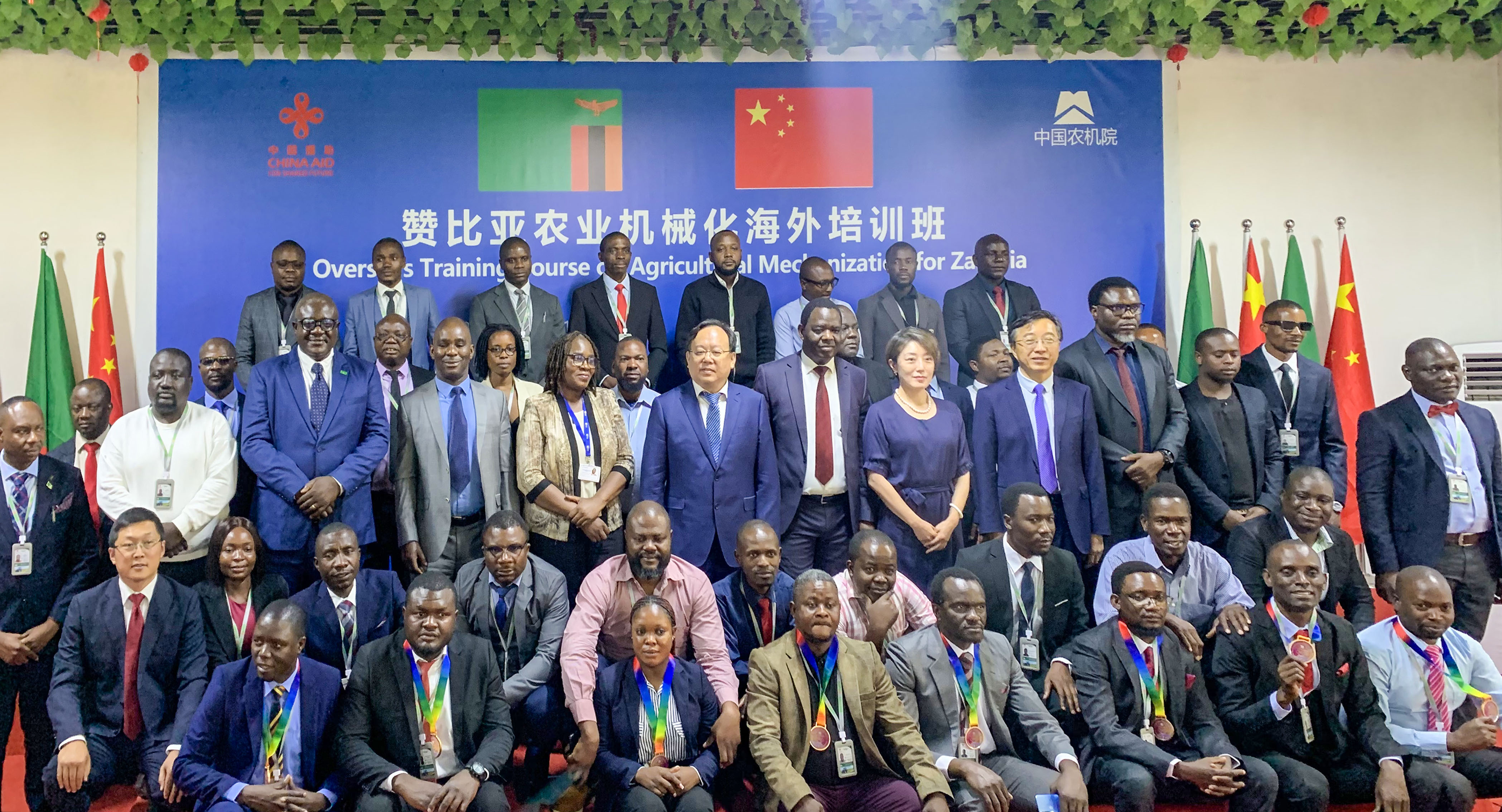
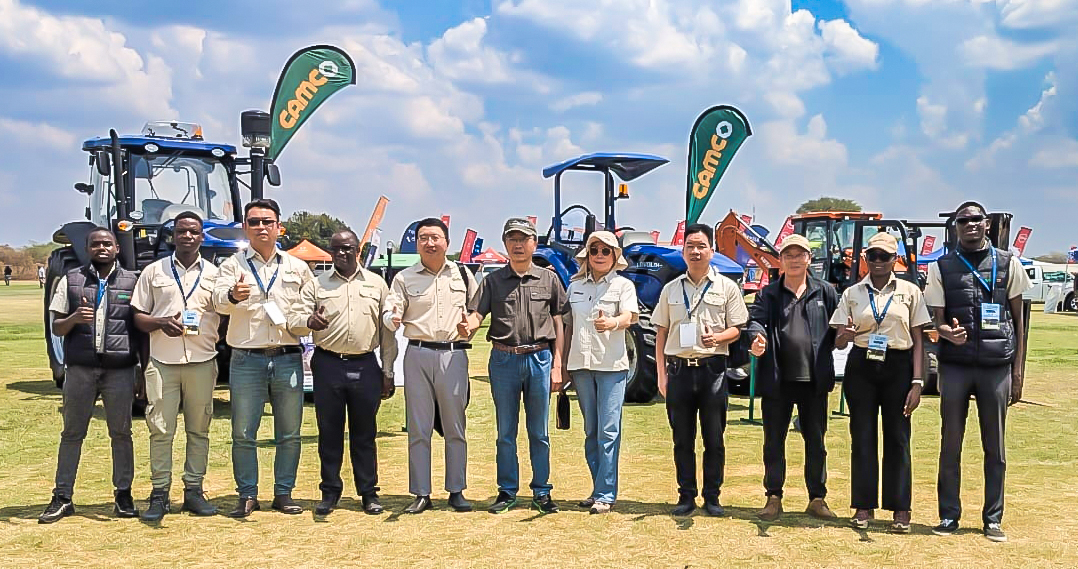
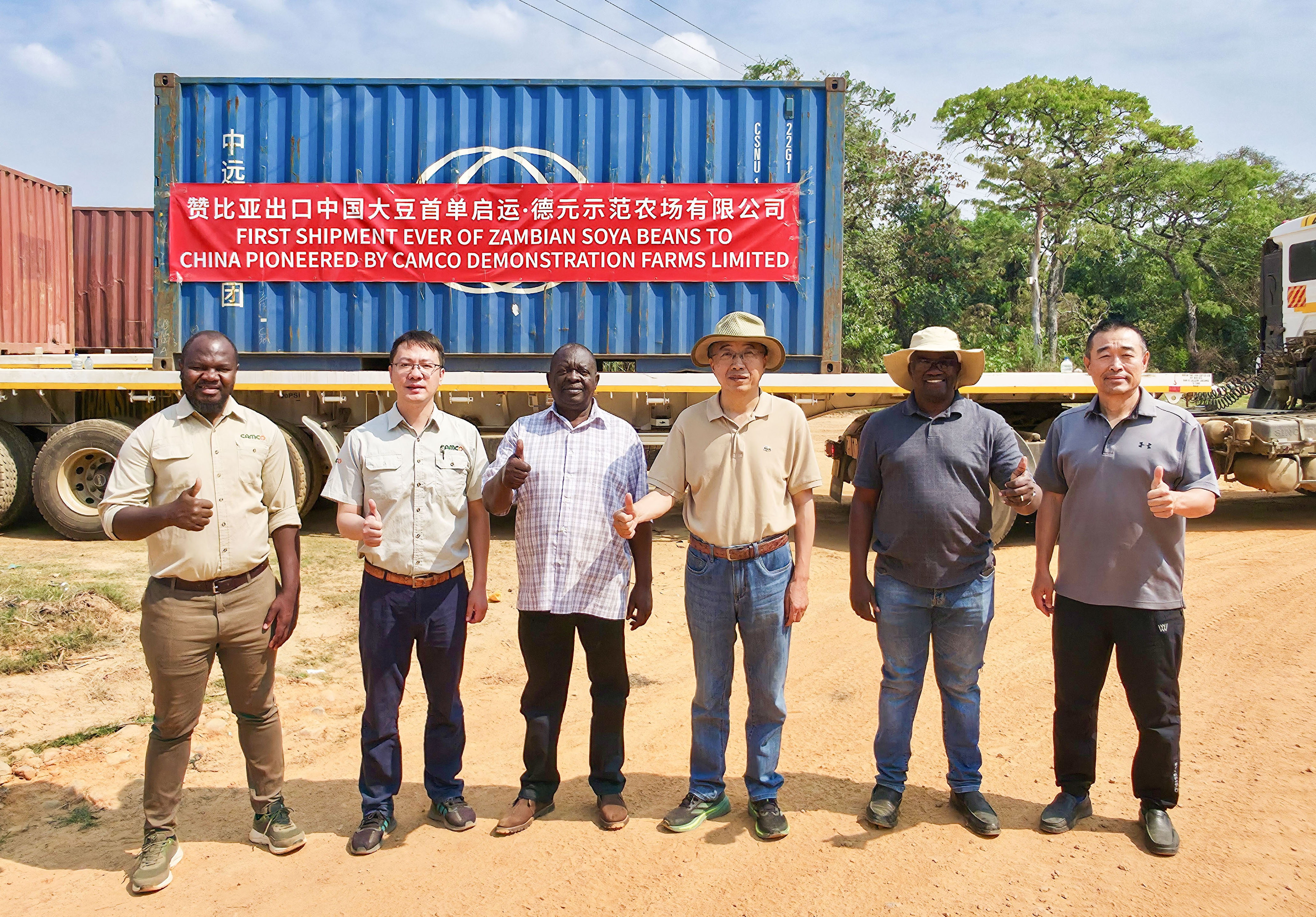
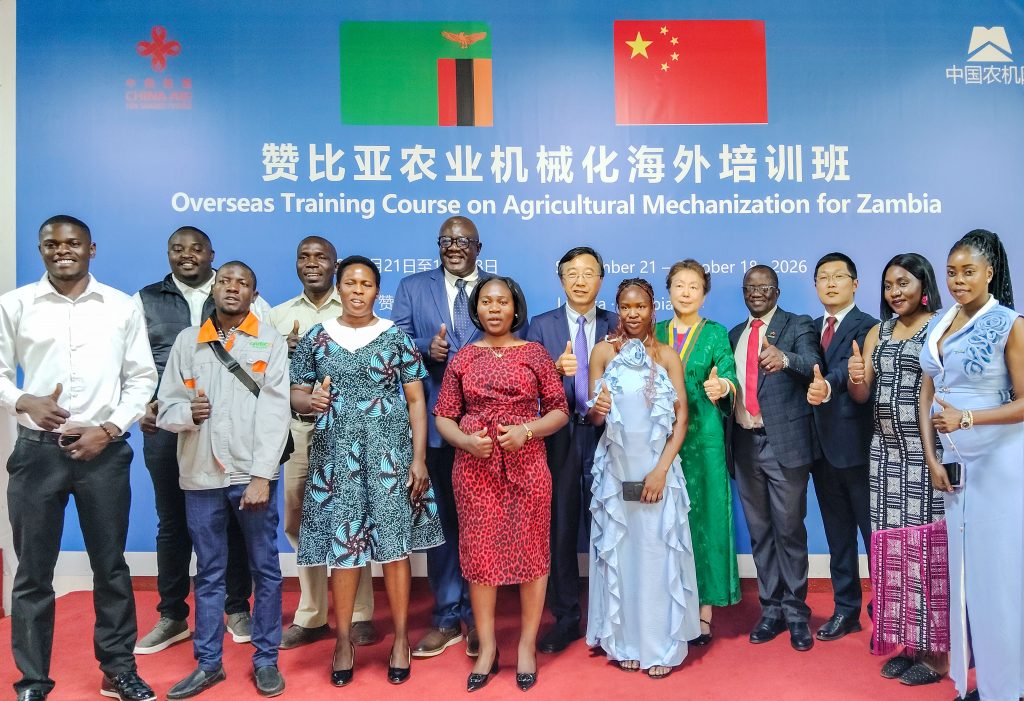
LUSAKA, Zambia, October 16, 2026 — The China-aided Agricultural Mechanization Overseas Training Program in Zambia, undertaken by CAAMS and co-organized by CAMCO College, concluded successfully in Lusaka on October 16, Zambian time. This marks another practical step by Camco Group in rooting itself in Africa, connecting China and Africa, and supporting talent development for Zambia's agricultural modernization. Forty in-service trainees from Zambia's Ministry of Agriculture and the Ministry of Fisheries and Livestock, drawn from all ten provinces, completed the four-week systematic training program.
The closing ceremony was held at the Multi-Purpose Hall of CAMCO College. Guests from both China and Zambia attending the ceremony included Ms. Liu Xiaomei, Counsellor-Secretary at the Economic and Commercial Office of the Chinese Embassy in Zambia; Mr. Ma Jingchun, Chairman of CAAMS; Dr. Chizumba Shepande, Acting Permanent Secretary (Administration) of the Zambian Ministry of Agriculture; Mr. Fredrick Mwila, Acting Permanent Secretary of the Zambian Ministry of Fisheries and Livestock; a representative of the Zambian Cabinet Office; Mr. Li Tie, Chairman of Camco Group; Mrs. Phyllis Kasonkomona, Director of Research and Development at TEVETA; and Eng. Wesley Kaluba, President of EIZ. Chinese experts, training instructors, representatives of partner institutions, faculty and students of CAMCO College, and all trainees attended the closing ceremony.
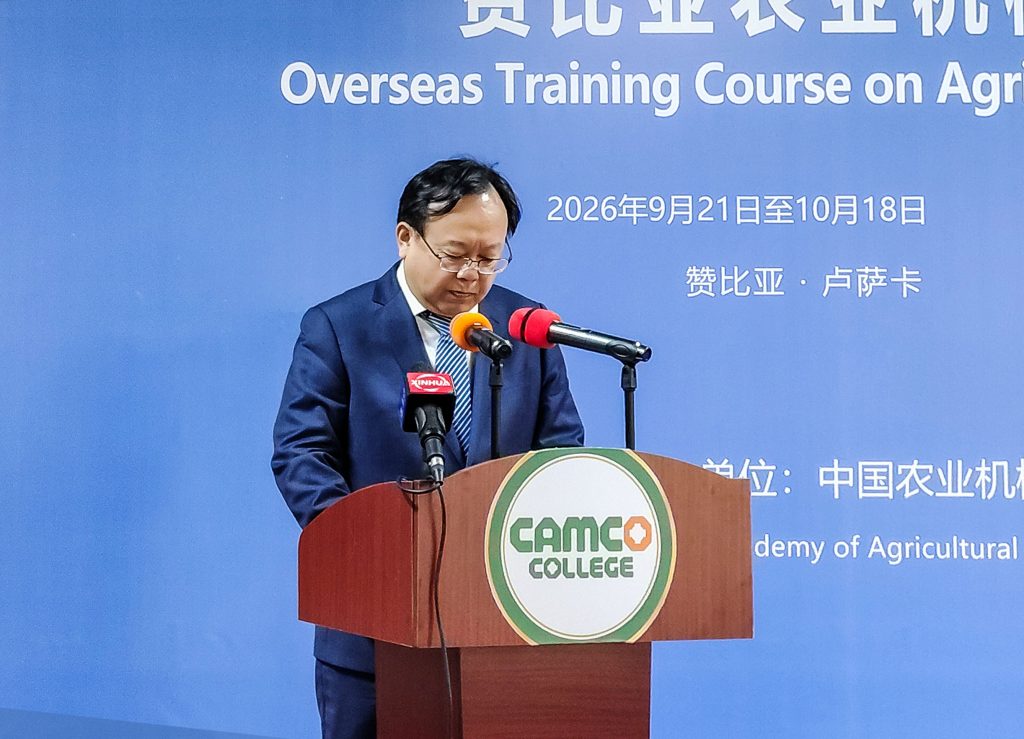
In his remarks, Mr. Ma Jingchun stated that the training was a Chinese government-funded foreign aid program tailored to Zambia's agricultural development, carrying China's sincere commitment to supporting Zambia's agricultural modernization. Quoting the Zambian proverb "Imiti ikula empanga" (growing trees will eventually become a forest), he encouraged the trainees to serve as disseminators of agricultural machinery technology, practitioners of on-the-ground implementation, and envoys of China–Zambia friendship — bringing what they had learned back to their workplaces, taking root in the fields, and growing into a backbone force supporting Zambia's agricultural development.
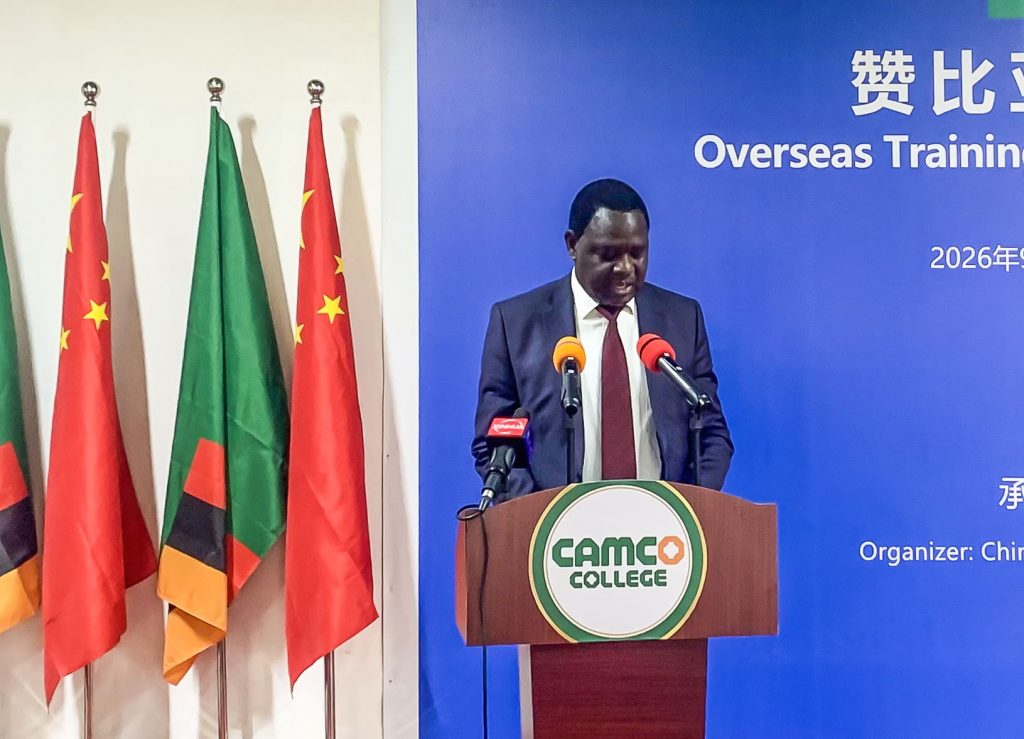
Dr. Shepande, on behalf of the Zambian Ministry of Agriculture, congratulated all trainees on their successful completion and expressed gratitude to the cooperating parties for their efforts in delivering the training. He noted that agriculture is the cornerstone of Zambia's economic growth, food security, employment expansion, and rural development. The value of the training, he said, lies not in course completion itself, but in whether trainees, upon returning to their posts, can implement mechanization solutions that are appropriate, economical, safe, and sustainable in light of Zambia's local crops, soils, climates, farm sizes, and cost conditions — thereby empowering agricultural institutions, operating entities, and rural communities.
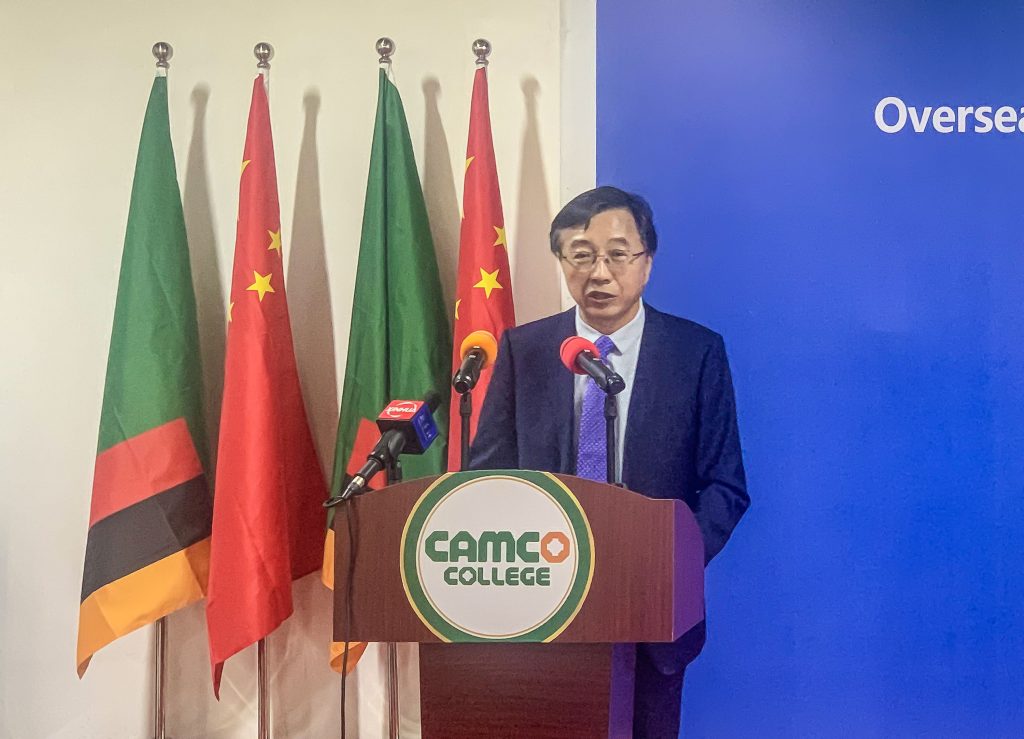
Mr. Li Tie, Chairman of Camco Group, expressed gratitude to the Chinese Embassy in Zambia for its support of Zambia's agricultural mechanization cause and to CAMCO College for its trust. He also thanked the Zambian Cabinet Office, the Ministry of Agriculture, and the Ministry of Fisheries and Livestock for their collaborative support. He pointed out that the trainees, as frontline officials in agricultural authorities, are a core force in advancing the implementation of agricultural mechanization in Zambia. As a government-recognized partner in Zambia's National Agricultural Mechanization Strategy, Camco Group will continue to leverage CAMCO College's industry-education platform, collaborate with industry partners, and cultivate more locally based skilled talent in agricultural machinery operation and maintenance, fulfilling the Group's mission of "enabling Chinese and African industrial strengths and development opportunities to achieve mutual success."
At the ceremony, a documentary short film on the training outcomes was screened; the organizers presented certificates of honor to outstanding trainees, awarded graduation certificates to all trainees, showcased the learning outcomes of the four weeks, and anchored the direction for translating technical results into practical application. As noted by the Zambian guests, the effectiveness of the training cannot be judged solely by course completion; its true value will continue to be released through practical application in grassroots institutions, agricultural operating entities, and rural communities.

Mr. Michelo Boston, speaking on behalf of all trainees, expressed gratitude to CAMCO College for its comprehensive teaching support and to the governments of China and Zambia for the valuable learning opportunity. He noted that through four weeks of systematic study, the trainees had come to deeply understand that agricultural mechanization is not simply the purchase of machinery and equipment, but a complete system encompassing appropriate technology selection, safe and standardized operation, preventive maintenance, and after-sales service support. All trainees solemnly pledged to actively promote the localized application of agricultural machinery technologies suited to Zambia's agricultural ecology upon returning to their posts, translate classroom learning into tangible productivity in the fields, and serve as practitioners of China–Zambia technical exchange and friendly cooperation.
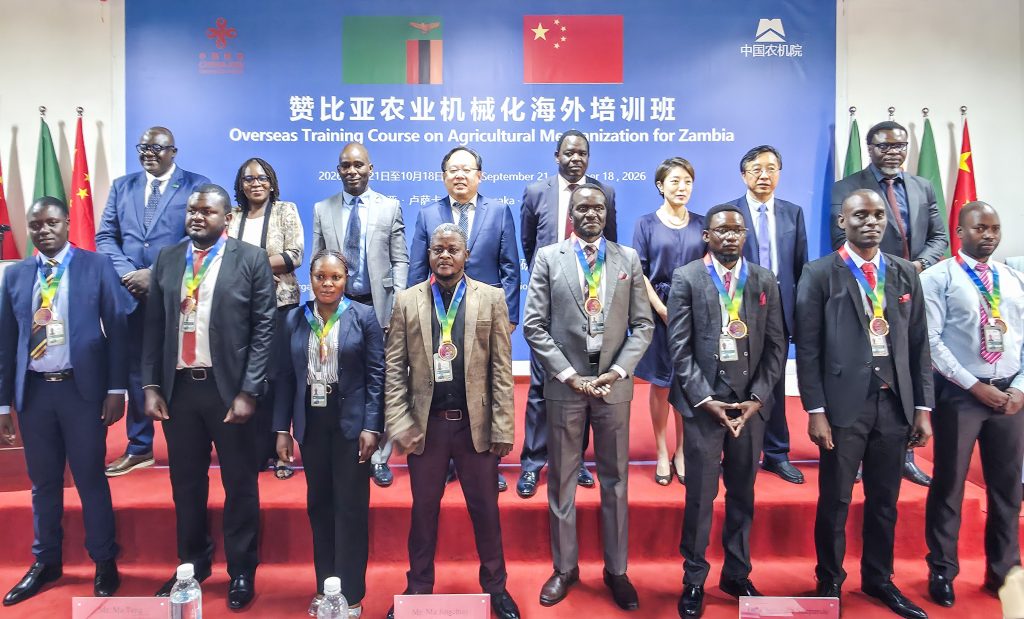
The training ran from September 21 to October 16, 2026, over a period of four weeks. The curriculum covered agricultural machinery application, mechanized crop production, conservation tillage, plant protection, post-harvest loss reduction, irrigation and water resource management, integrated water-fertilizer management, protected agriculture, and renewable energy, among other fields. The training integrated classroom instruction, thematic seminars, practical exercises, and field visits to comprehensively enhance trainees' integrated capacities in agricultural machinery operation and maintenance, modern agricultural production, and renewable energy application.
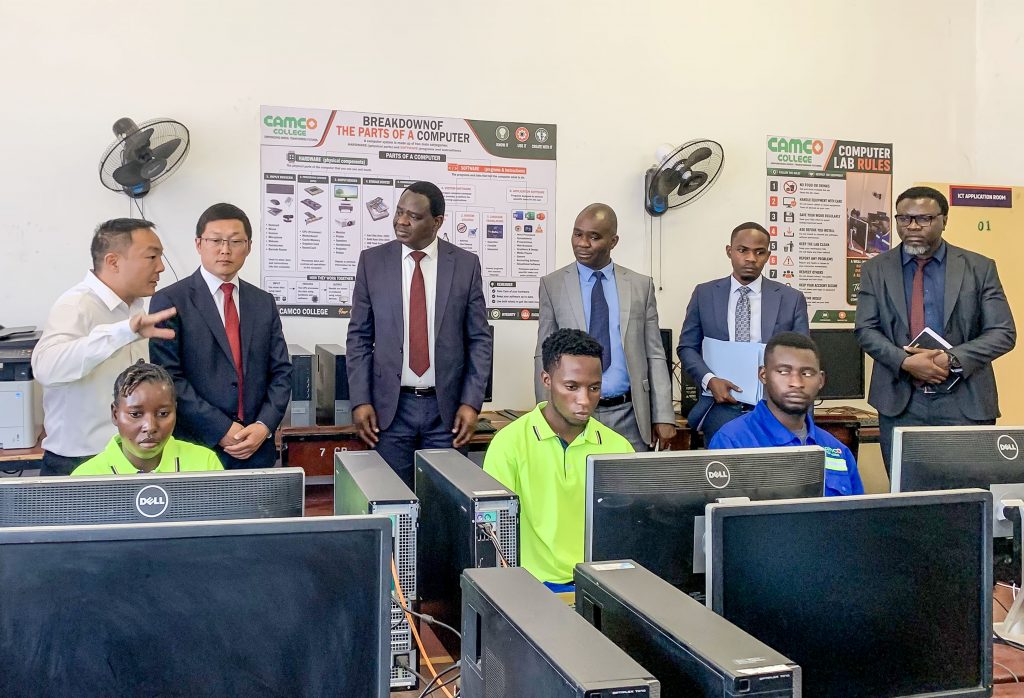
Camco Group will continue to cultivate CAMCO College as a vehicle for China–Africa industry-education integration, remaining focused on the full-chain linkage from the translation of training outcomes into practical application, the development of a local talent pipeline for agricultural machinery operation and maintenance, after-sales technical services, to field-level technology extension. It will advance China–Africa vocational education cooperation from short-term training courses to deeper collaboration in capacity building, industrial empowerment, and field application. Upholding its core values of professionalism and pragmatism and of co-creation and shared benefits, Camco Group will help customers succeed through industry and give back to society through responsibility, continue to support the coordinated development of China–Zambia agricultural industries, inject lasting skills momentum into Zambia's agricultural modernization, and pursue the Group's vision of "becoming a long-term trusted international industrial group connecting China and Africa."